
Choosing the Right Funeral Service Type for You
Understand the main types of funeral services, what they involve, and how to choose the best option for your wishes and needs.

When you set out to plan your funeral, one of the first decisions is choosing the type of service that reflects your wishes and provides comfort to those you leave behind. Funeral services vary in style, length, and formality, and understanding these differences helps you create a meaningful occasion. This guide walks you through the most common service types, from traditional funerals to simpler memorials and alternatives, so you can assess which best fits your values and practical needs.
Main Types of Funeral Services
Each type offers a different approach, level of formality, and involvement.
Traditional Funeral Service
Often includes a viewing or visitation, a formal service (at a funeral home, place of worship, or other venue), and burial or cremation. Usually led by a clergy member or celebrant.
Memorial Service
Held after burial or cremation, with no body present. Focuses on honoring and remembering your life, and may be less formal or more personalized than a traditional funeral.
Graveside or Committal Service
A short ceremony held at the burial site, sometimes following a funeral, or as the only service. Usually simpler and more intimate.
Direct Cremation or Burial
No formal service or ceremony at the time of disposition. Loved ones may choose to gather privately or at a later date.
What Happens at Each Service Type
Each service type can be shaped to fit your wishes, but there are common elements. A traditional funeral often includes a viewing, readings, music, and eulogies, followed by burial or cremation. Memorial services may take place weeks later and offer more flexibility in location and tone. Graveside services are usually brief and centered on the act of burial. Direct cremation or burial skips formal ceremonies, but you can still plan a future gathering if you wish.
Your choices affect not only the tone but also the logistics, involvement of guests, and costs. Think about what feels most meaningful to you and what will support those who attend.
Questions You May Have About Service Types
Can I combine elements from different service types?
Yes, you can mix aspects, such as holding a viewing before a direct burial or planning a memorial service after cremation. Personalization is common.
Is one type of service more affordable than others?
Direct cremation or burial typically involves the fewest costs, as there is no formal ceremony. Traditional funerals with viewings and services tend to be more expensive.
Are there legal requirements for any service type?
Requirements differ by state and country. Some places require permits or certain procedures, especially for burial or cremation. Check local laws or ask a funeral provider.
Can I plan a service outside of a funeral home or religious setting?
Yes. Many people now hold services in community spaces, private homes, or outdoors. Consider what feels right for you and your family.
Factors to Consider When Deciding
Think about what matters most to you. Some people prioritize tradition and structure, while others want a simple or unique gathering. Consider your religious or cultural background, the comfort of your family and friends, your budget, and any personal values or wishes you want honored. You may also want to leave notes or guidance for your loved ones to help them understand your choices.
Choosing What Fits Your Life and Legacy
Taking time to reflect on these options helps ensure your funeral will align with your values and provide comfort to those you care about.
Start planning aheadKeep reading

Choosing the Right Service for Your Funeral: Because One Size Doesn't Fit All
A funeral isn't one fixed thing—it's a category. From traditional services to celebrations of life, here's how to choose the send-off that actually sounds like you.
Blue Butterfly
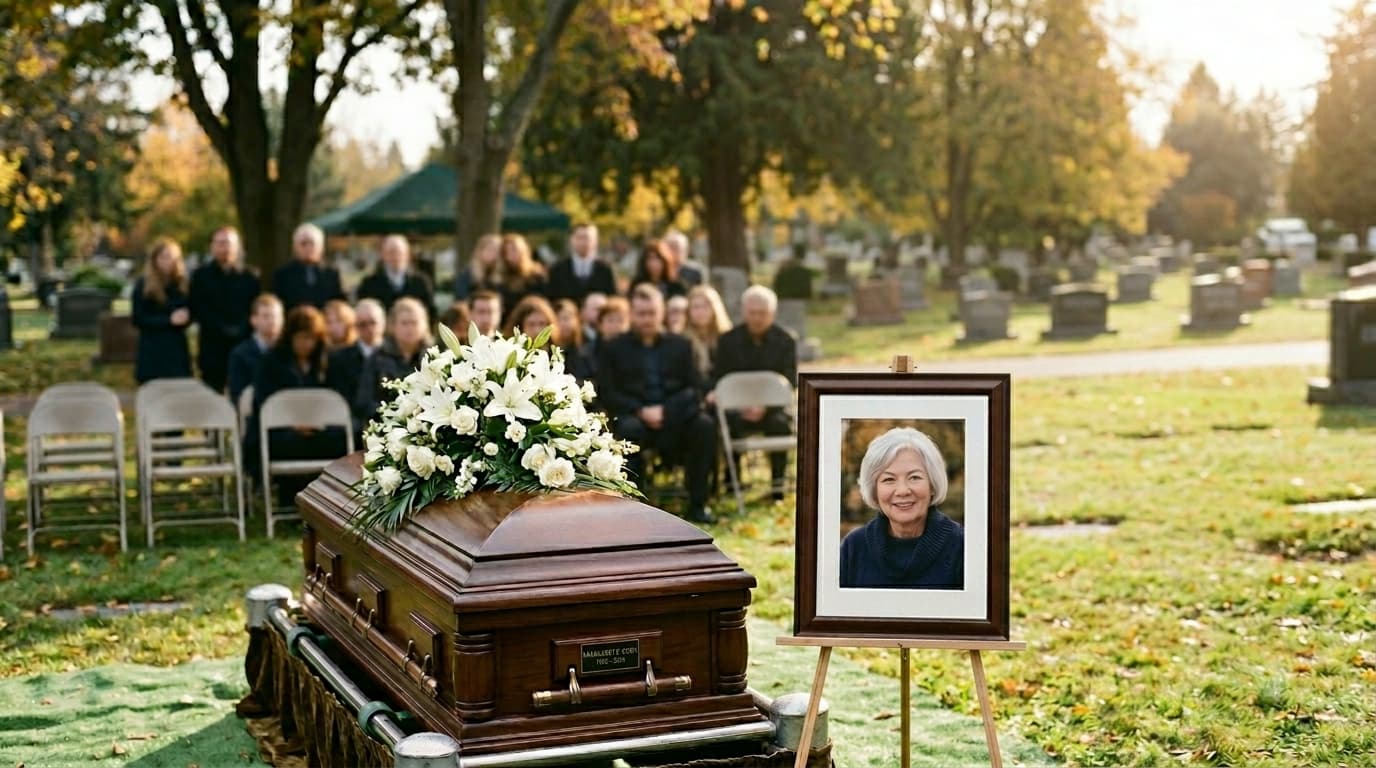
Ideas for Planning An Outdoor Funeral
If a hushed room and organ music isn't you, an outdoor farewell might be. A warm, practical guide to choosing your spot, sorting the logistics, and making the day unmistakably yours.
Blue Butterfly

How to Talk to Your Family About Dying
Most families would rather talk about anything else—but bringing up your wishes is one of the most loving things you can do. Here's how to start without it feeling heavy.